Visual Perception, Optimization and Unmanned System
Description: This track focuses on the critical challenges of visual perception and optimization-based decision-making for unmanned systems operating in complex, uncertain, and dynamic environments. It explores how robust visual perception, learning mechanisms, and optimization theory can be deeply integrated with autonomous navigation, planning, and control to enhance the environmental understanding, autonomy, adaptability, and operational resilience of unmanned systems. We strongly encourage cross-disciplinary research bridging computer vision, artificial intelligence, control theory, and robotics, and particularly welcome original contributions featuring rigorous theoretical analysis, algorithmic innovation, formal performance and safety guarantees, and high-fidelity physical system validation. By synergizing robust visual perception and multimodal fusion, visual SLAM and autonomous localization, learning-based optimization and decision-making/planning, perception-planning-control coordination, as well as unmanned system simulation and real-vehicle/real-platform validation, this track aims to foster the deep convergence of visual perception, optimization methods, and unmanned system technologies, providing robust theoretical, methodological, and technical support for the secure, reliable, and intelligent deployment of next-generation unmanned platforms.
Session organizers
Prof. Han Wang, Shanghai General Hospital, Shanghai Jiao Tong University School of Medicine, China
Assoc. Prof. Yadi Wang, Henan University, China
Assoc. Prof. Ming Li, Jiangsu Ocean University, China
The topics of interest include, but are not limited to:
1. Robust Visual Perception and Multimodal Fusion
2. Visual SLAM and Autonomous Localization
3. Learning-Based Optimization and Decision-Making/Planning
4. Perception-Planning-Control Coordination
5. Perception and Optimization Control for Medical Robots
Submission method
Submit your Full Paper (no less than 5 pages with two colums) or your paper abstract-without publication (200-400 words) via Online Submission System, then choose Special Session 3 (Visual Perception, Optimization and Unmanne System)
Introduction of Session organizers
 |
Prof. Han Wang
|
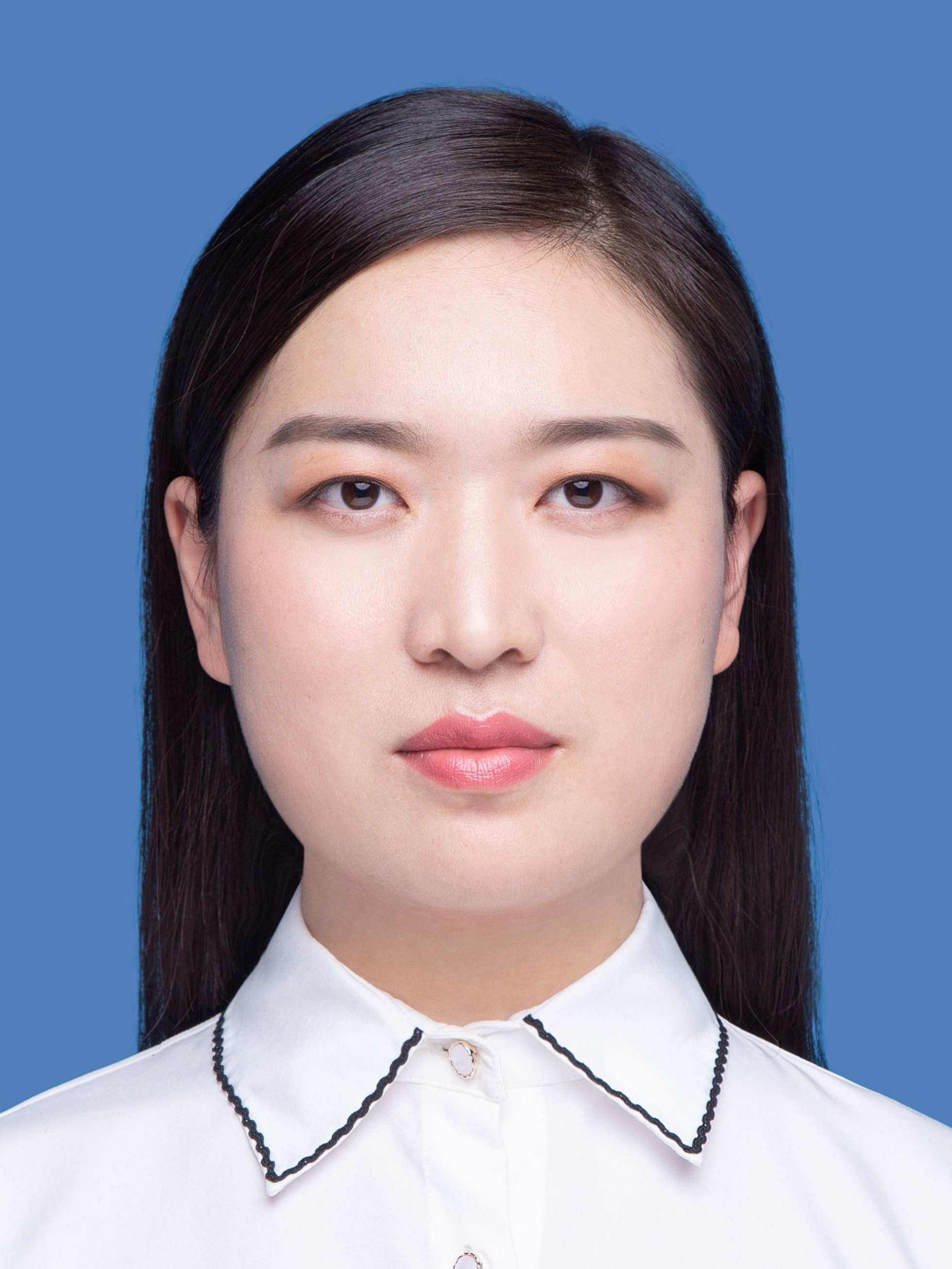 |
Assoc. Prof. Yadi Wang
|
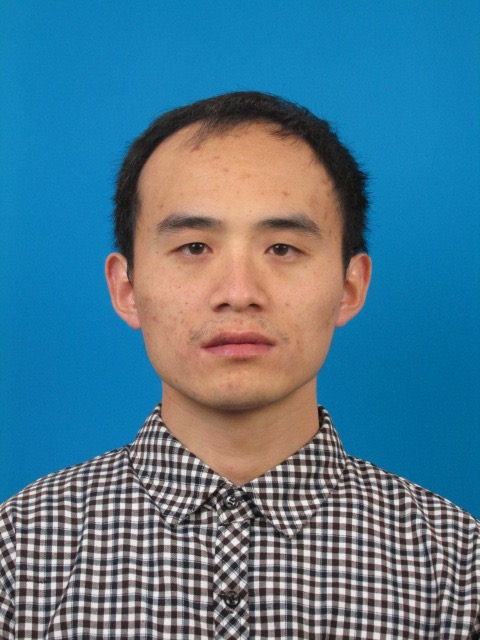 |
Assoc. Prof. Ming Li Jiangsu Ocean University, China Associate Professor Ming Li received his Ph.D. in Control Science and Engineering from the University of Shanghai for Science and Technology in 2023. He is a member of the Pattern Recognition Committee of the Jiangsu Society for Artificial Intelligence, a key member of the Jiangsu (Haizhou) Smart Fishery Science and Technology Backyard, a member of the Chinese Institute of Electronics, the Chinese Association of Automation, and the Jiangsu Society for Artificial Intelligence, a "Huaguoshan Talent" of Lianyungang City, and a member of the Lianyungang Robotics Society. His research focuses on artificial intelligence, specifically marine data, unmanned systems and security, and medical image processing. He has led one Youth Program of the National Natural Science Foundation of China (Project No. 12401679, "Research on Robust Representation Theory for Ultra-Sparse Heterogeneous Information Networks," 2025-2027) and one General Program of the Natural Science Foundation of Jiangsu Higher Education Institutions (Project No. 23KJB520006). He has published 12 SCI journal papers and 6 EI conference papers, including 8 papers in top-tier journals such as IEEE Transactions on Neural Networks and Learning Systems, IEEE Transactions on Knowledge and Data Engineering, IEEE Transactions on Systems, Man, and Cybernetics: Systems, IEEE Transactions on Industrial Informatics, and IEEE Transactions on Fuzzy Systems. He holds 5 national invention patents and 13 software copyrights. |